Your Prime Is Not Youth, Money, or Status. It Is Something More Human
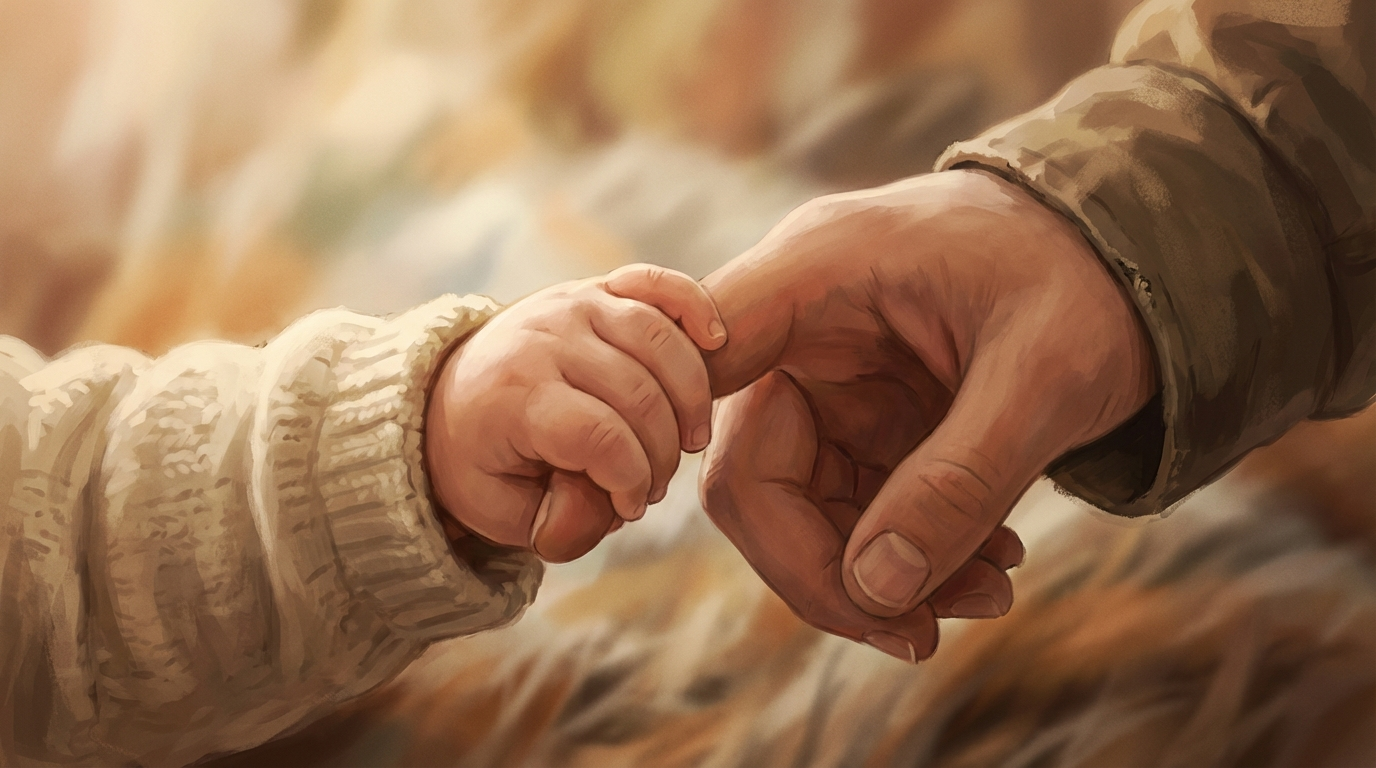
People admired different stages of my life. They only wanted one of them back.
When I was in middle school and high school, adults would look at me with the usual nostalgia. Ah, youth. Ah, energy. Ah, no responsibilities. But none of them wanted to become a 14-year-old again. They liked watching it from a distance.
University was the same. More freedom, more friends, late nights, low stakes. People smiled at it. Nobody wanted to trade places.
Mid-career was the same again. This is the stage people usually call prime. You know a lot. You produce a lot. You can handle complexity. Your judgment is better, your network is better, your output is better. Older people respected it. Some even admired it. Still, they did not want my life.
Then I had a child.
The first year does not count much for this argument. A baby is important, exhausting, beautiful, terrifying. But socially, a baby is still a bit of a blob. You love the baby. The baby eats, sleeps, cries, and occasionally stares into the wall like it knows something ancient.
Then the child becomes a person.
Somewhere around age one, maybe a little after, the whole thing changes. They respond. They laugh with intention. They run badly. They invent rules for games that make no sense. They mispronounce words with total confidence. They need you for everything and love you with zero strategy.
That is when I noticed a reaction I had never seen before.
Older people did not just look at me and say, “these are good years.” They looked at me like I was holding something they had lost. Not in theory. Not politely. For the first time in my life, I got the feeling that people genuinely wanted to swap places.
That is a very different look.
Here is the pattern I keep noticing:
| Stage | What people say | What they actually want |
|---|---|---|
| Teen years | “Must be nice to be young” | No |
| University | “Best years of your life” | No |
| Peak-career | “You’re crushing it” | No |
| Having young kids | “I would give anything to have that again” | Yes |
This window is brutal, by the way.
You are tired. Your schedule is fake. Your house is under occupation. Your conversations are interrupted by tiny emergencies involving the wrong cup, a missing stuffed animal, and whether dogs are allowed to wear shoes. You are carrying more responsibility than ever.
And still, this is the age people want back.
This is the cleanest form of being needed.
A teenager may love you, but they are already turning away from you. A baby needs you, but the relationship is still one-sided. A young child gives you both at once. Maximum dependence. Maximum affection. Maximum wonder.
You are the center of their world, and they are small enough to show it every day.
When you are young, you think prime is freedom. When you are ambitious, you think prime is status. When you are building, you think prime is competence.
I trust a simpler test.
Which years would older people actually pay to have back?
That is prime.